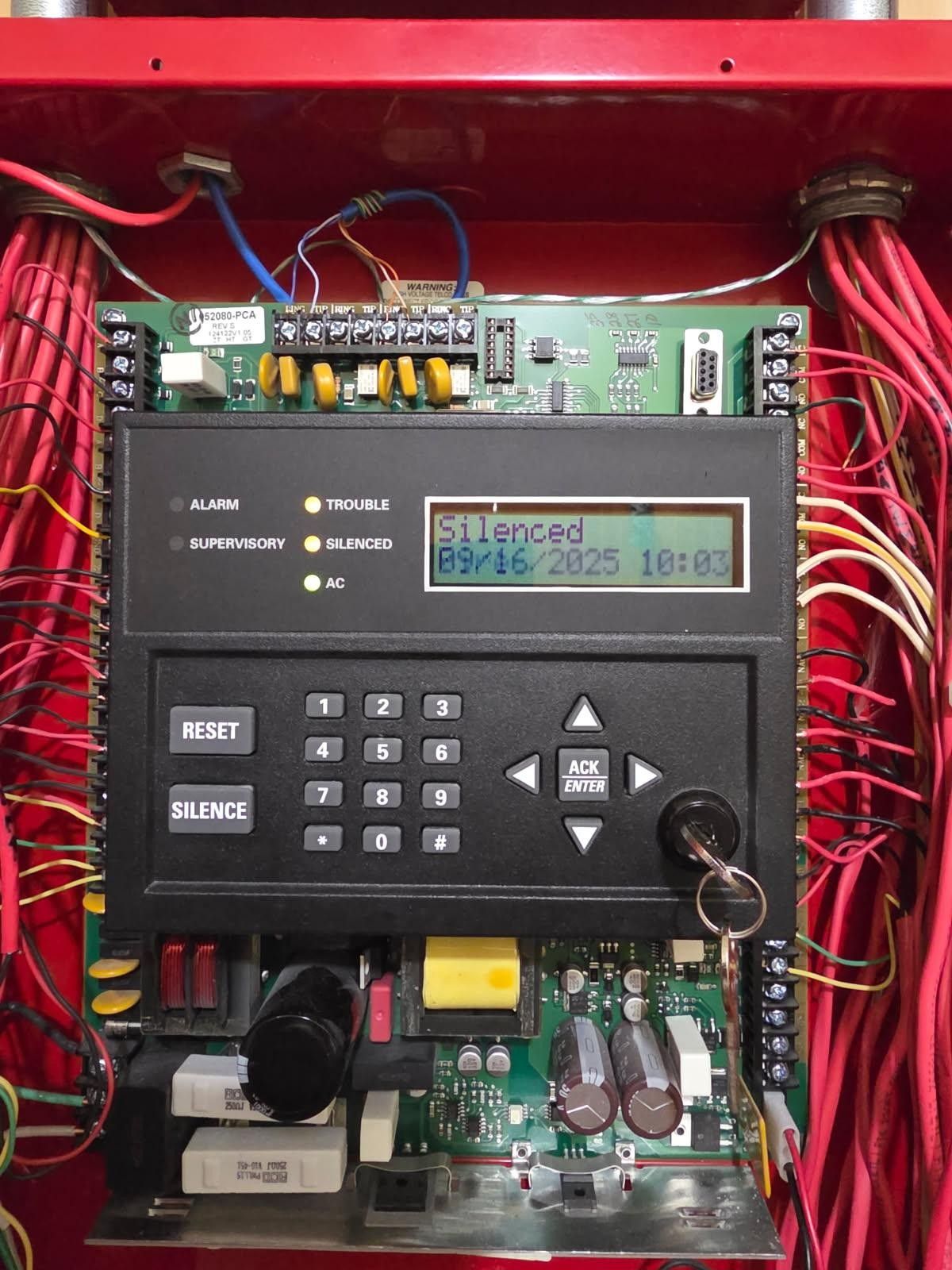
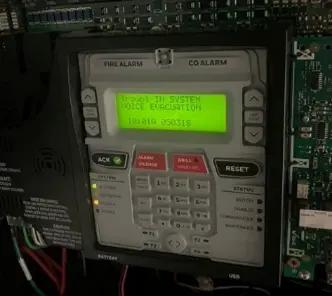
The Fire Alarm Control Panel (FACP) is the decision-making center of the fire alarm system: it receives input, determines the condition, and controls the appropriate response. Alarm Initiating Devices - heat & duct detectors, manual...
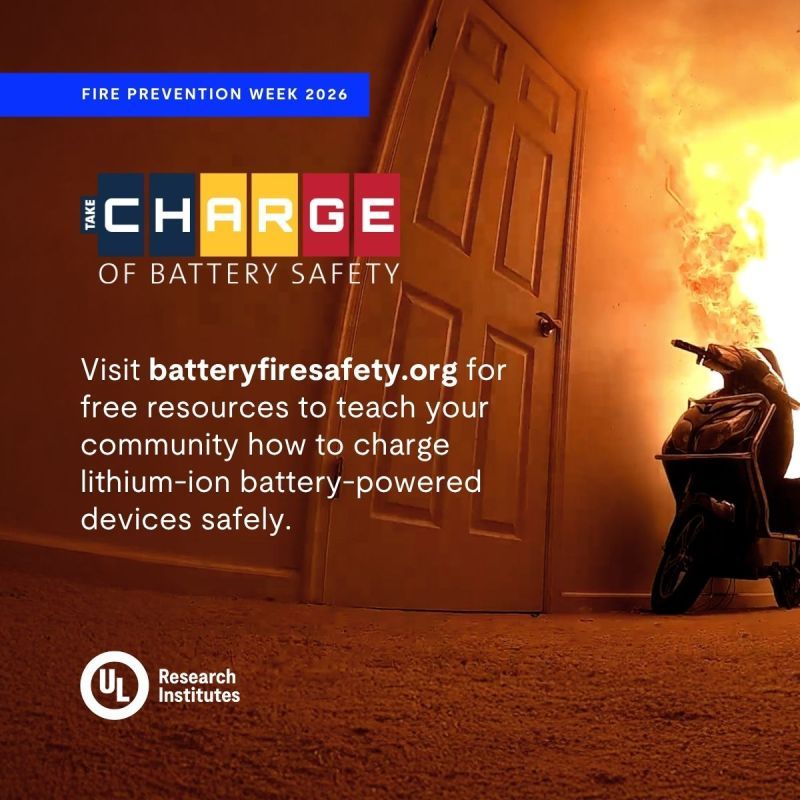
Protecting your home or workplace from fire starts with simple, practical habits. In recognition of Fire Prevention Month, learn how everyday choices - from safe cooking and proper extinguisher use to smoke alarms and lithium-ion battery safety - can help reduce fire risks and keep the people around you safer!
Since their origin beginning in the 1940's, halon fire suppression agents - chemicals containing bromine, fluorine, and carbon suppress fires by chemically interrupting the combustion...
A fire sprinkler system is a simple, yet essential, element of a building's fire protection system. The system includes a water supply, a distribution piping network and sprinkler heads...
Just like plumbing and HVAC, fire sprinkler systems are subject to freezing. While we see milder temperatures in the PNW than other regions, it isn't unusual for those mild winters to drop...
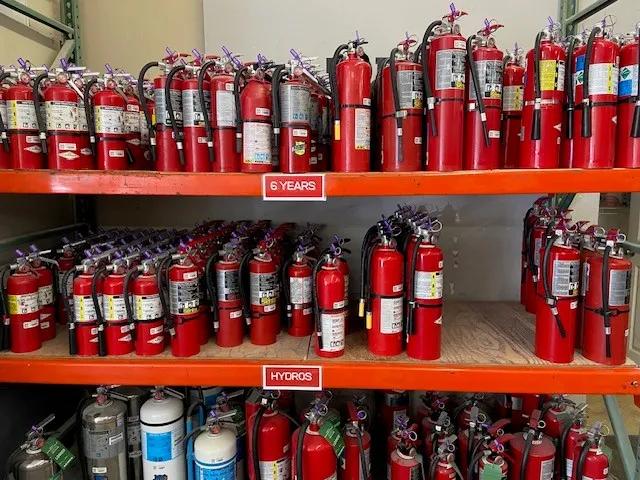
Fire extinguishers come in a variety of shapes and sizes; each designed for a specific fire type and required coverage. It is not surprising that narrowing down the correct product can be daunting...
Fire hydrants are a familiar sight, but their true value is often underestimated until an emergency strikes. A properly maintained and fully functional fire hydrant can mean the difference ...
Fire alarm monitoring is a crucial component of a building's fire/life safety plan, integral to the emergency response system. A monitored fire alarm system provides a 24-hour watchdog for the ...
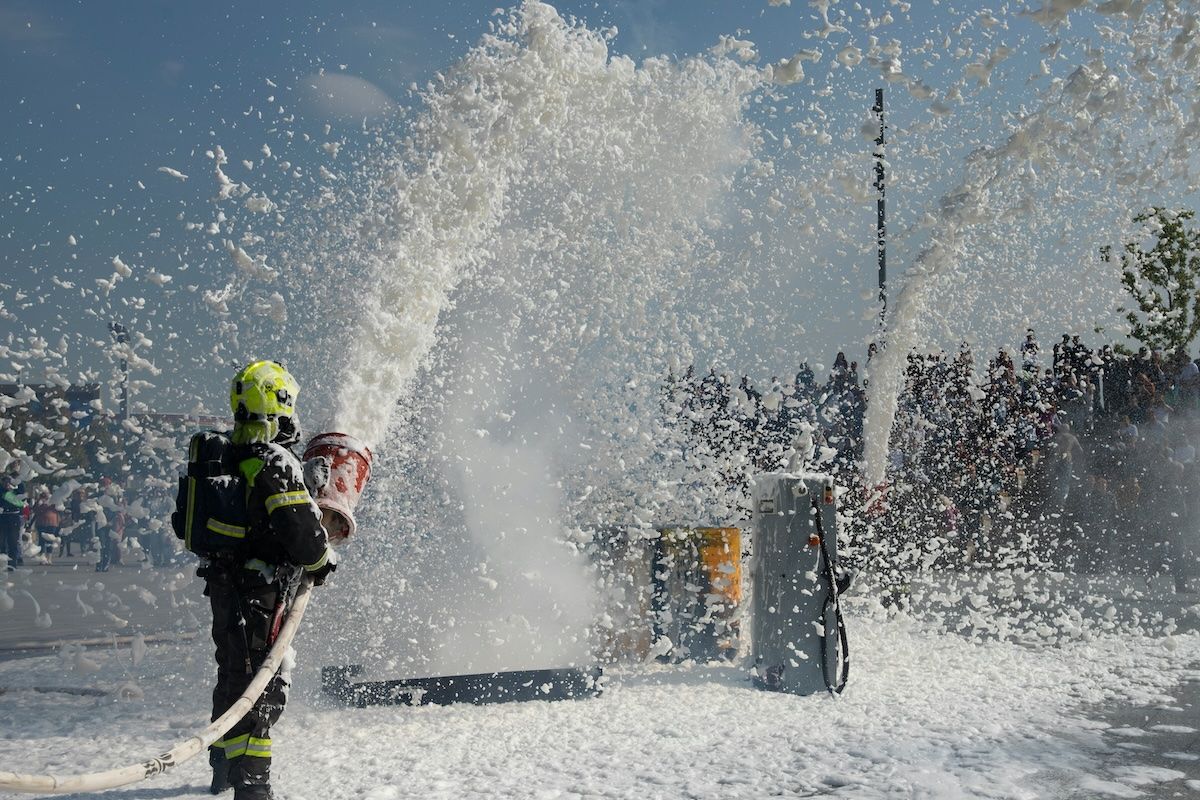
A fire suppression system is designed to extinguish, control, or prevent the spread of fire with specific chemical compounds. It's been almost 30 years since UL 300 redefined the rules for commercial...
In businesses, schools, hospitals, multifamily living spaces, areas of assembly and workplaces, emergency lighting is designed to facilitate a safe and efficient evacuation of a building when needed....
Ancient civilizations focused on basic fire prevention using fire pits & barriers. They understood the power of the flame and the necessity to contain it. As areas expanded, they mandated that wider streets be...
Fire safety systems are designed to assess the overall condition and functionality of the fire protection systems, ensuring that they will perform as expected in the event of an emergency or fire. And like other pieces of technical...
The development of NFPA 420 - Standard on Fire Protection for Cannabis Growing and Processing Facilities is a critical step for the rapidly expanding cannabis industry. The new standards being developed were created...