
- Published
- Author
- Name
- @thefireguyspdx
ABCDK. Where To Start When Choosing a Fire Extinguisher
Fire extinguishers come in a variety of shapes and sizes; each designed for a specific fire type and required coverage. It is not surprising that narrowing down the correct product can be daunting.
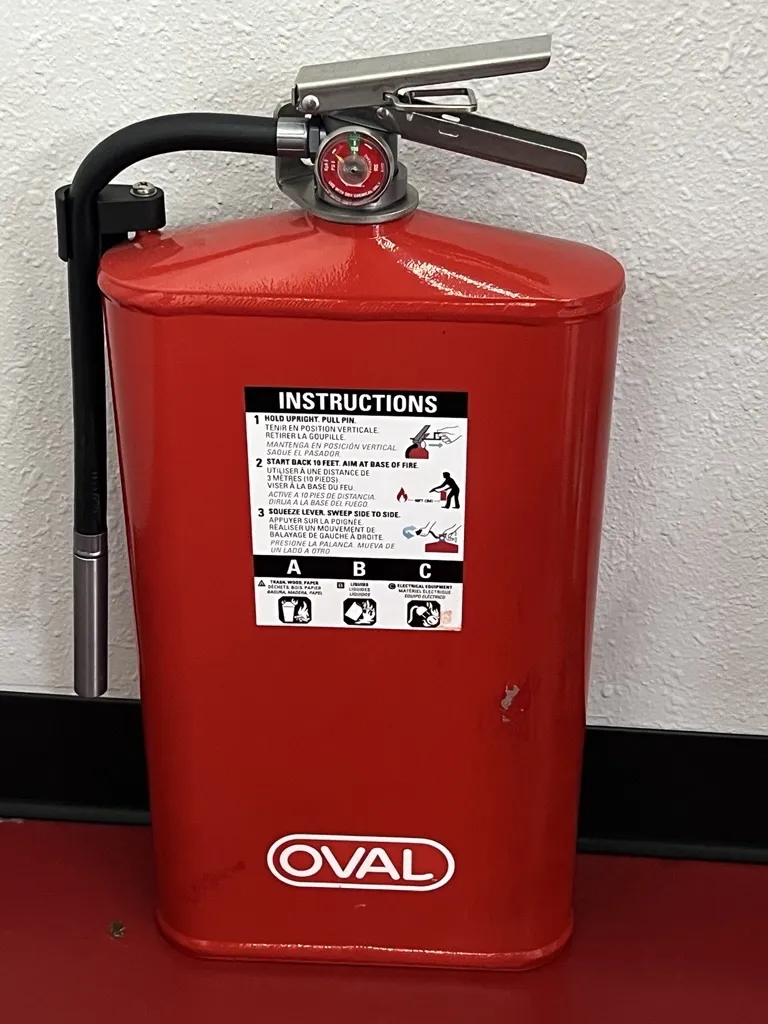
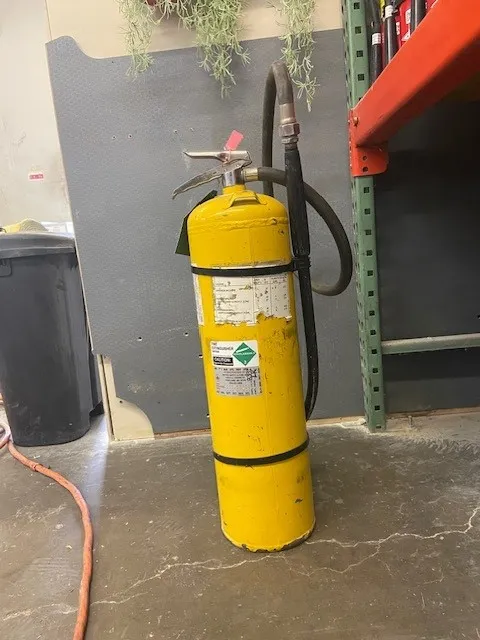
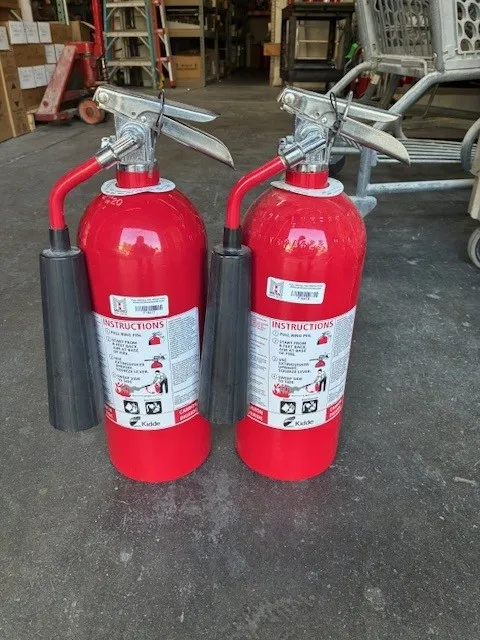
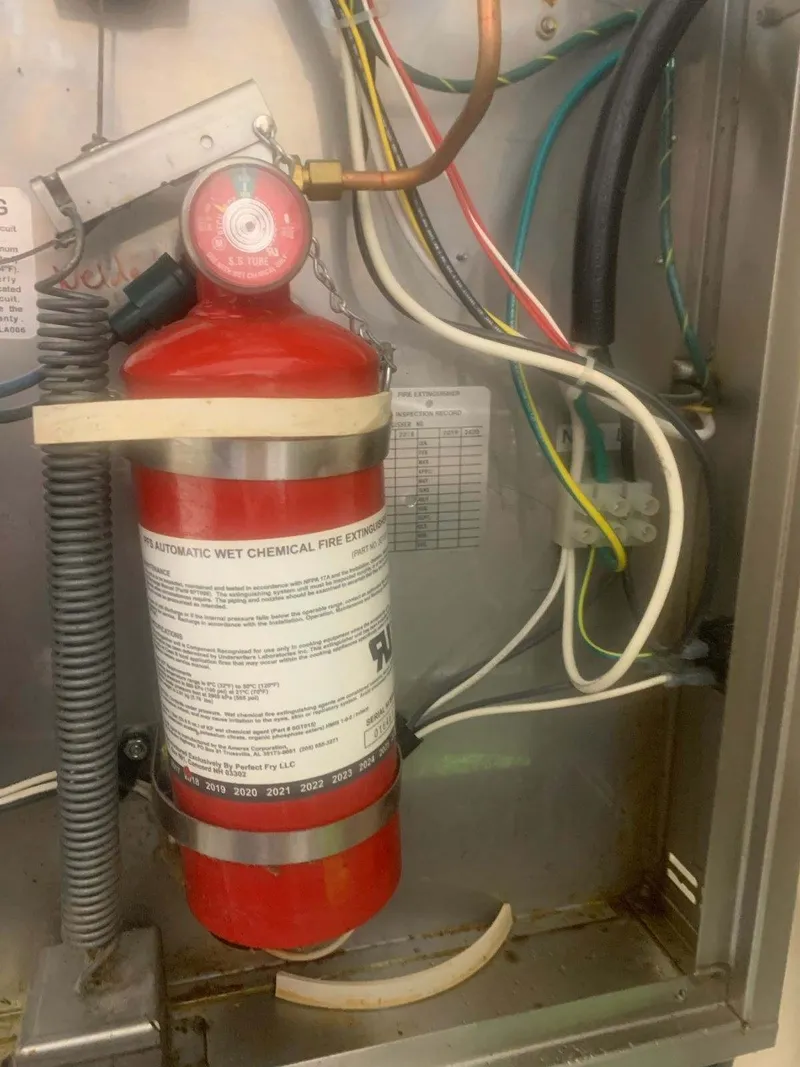
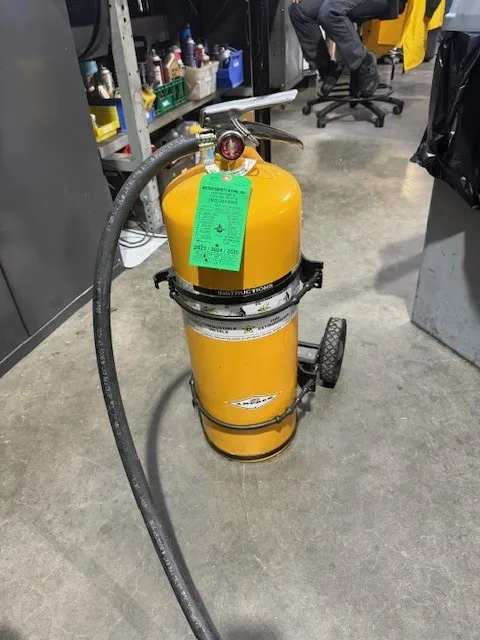
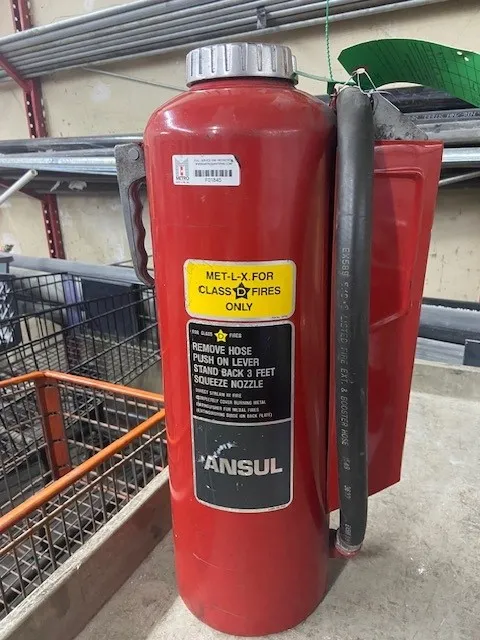
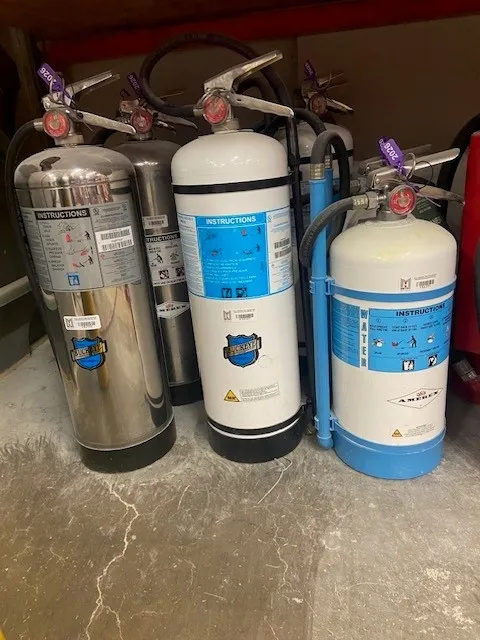
It is important to identify the known flammable materials at your business or home where the portable fire suppression device will be of service.
Below are the classified extinguishers by fire type followed by types of extinguishers, set forth by the National Fire Protection Association (NFPA). The symbols are detailed below and should be reviewed with anyone that may be expected to use a fire extinguisher for familiarity and identifying the types of fires they may be used for.
Types of Fires

Class A Ordinary Combustibles: wood, paper, cloth, trash and other

Class B Flammable Liquids & Gases: gasoline, oils, paint lacquer & tar.

Class C Electrical Equipment
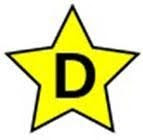
Class D Combustible Metals/Metal Alloys such as magnesium, titanium, zirconium, sodium, lithium, and potassium.

Class K Cooking Appliances Involving Combustible Cooking Media: vegetable or animal oils and fats
Types of Extinguishers
The International sign symbol diagonal red slash indicates a potential danger if the extinguisher is used on that particular type of fire

Class A

Class A:B

Class A:B:C

Class A:C

Class B:C
Class D – Per NFPA 10 Annex D: Persons who are expected to use a fire extinguisher should be made familiar with all information contained in the manufacturer’s nameplate(s) and the instruction manual. Proper operation requires executing several basic steps in a certain sequence. Lack of training can lead to delayed response, wasted extinguishing agent, and failure to control the fire.

Class A:K
Water Mist
Swimming Pool Areas/Saltwater Pools
According to NFPA 400 (Hazardous Materials Code) certain portable fire extinguishers are prohibited anywhere oxidizers are stored or used. This is especially relevant for swimming pools where chlorine is one of the most common oxidizers in use. For saltwater pools the use of common ABC chemical can be corrosive. In this case, a Water Mist Fire Extinguisher is necessary.
How to Use a Water Mist Fire Extinguisher Training Video
Halon
Use of halon agent fire extinguishers shall be limited to applications where a clean agent is necessary to extinguish fire efficiently without damaging the equipment or area being protected or where the use of alternative agents has the potential to cause a hazard to personnel in the area.
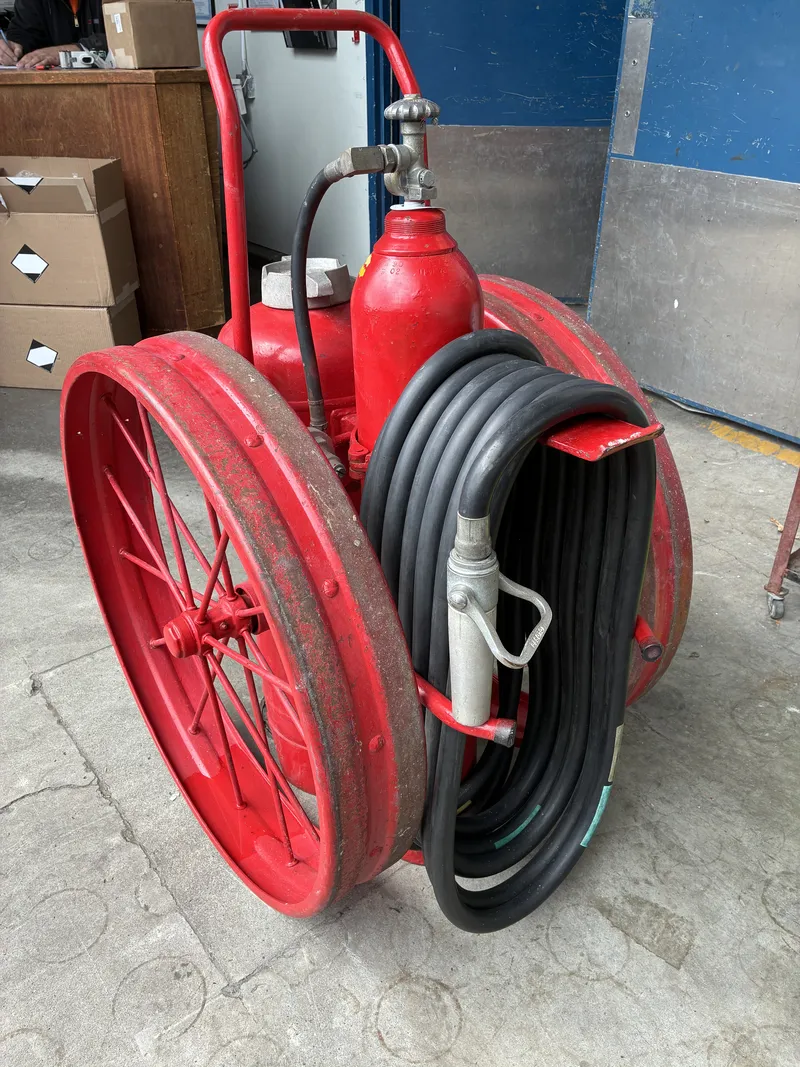
Wheeled Fire Extinguishers shall be considered for hazard protection in areas in which a fire risk assessment has shown the following:
- (1) High hazard areas are present.
- (2) Limited available personnel are present, thereby requiring an extinguisher that has the following features:
- (a) High agent flow rate
- (b) Increased agent stream range
- (c) Increased agent capacity
Still not sure what portable fire suppression solution you need?
The Authority Having Jurisdiction (AHJ) in your area is the enforcer and will guide your needs.
Contact your Fire Inspector | Portland.gov
Fire Marshal's Office | Tualatin Valley Fire & Rescue
Washington State Fire Protection Bureau Directory
The most current issue of NFPA-10 can be consulted for minimum recommended fire extinguisher types, placement, and travel distances. Here is the link for free access to NFPA safety codes & standards
Or give Ansul’s Extinguisher Selection Tool a try
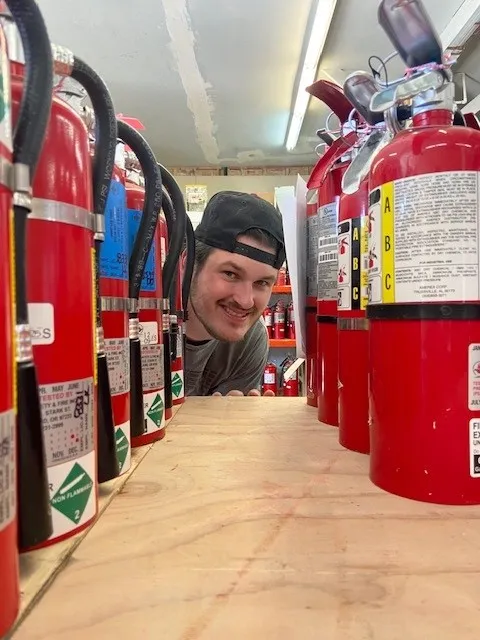
Annual maintenance is mandatory for compliance
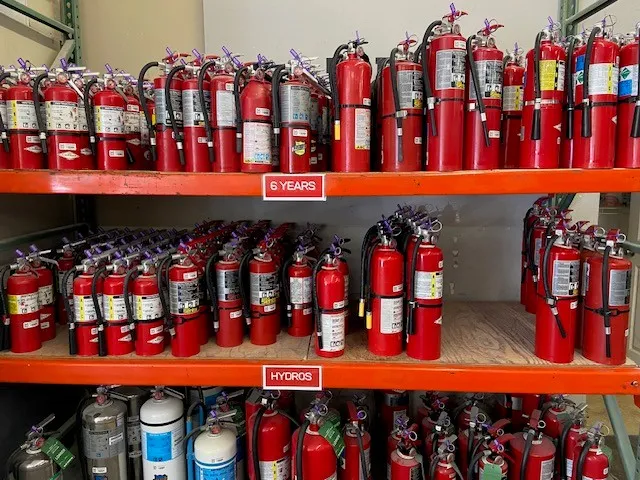
Yearly servicing by a certified technician is necessary for fire extinguishers to meet compliance requirements. Your annual service may be done at the counter of Metro Safety & Fire, Inc. while you wait.
While rust, dents and label damage can be more obvious to spot, intervals of internal maintenance at the sixth and twelfth year of the manufactured date of the fire extinguisher are necessary to assess the fire extinguishers' integrity.
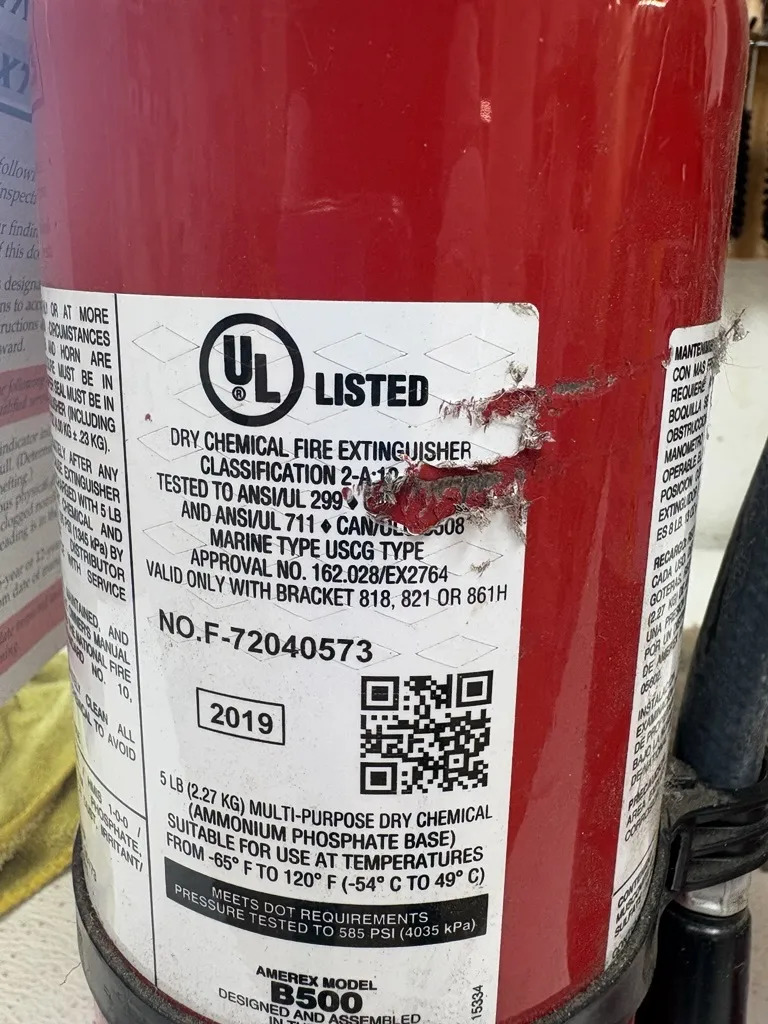
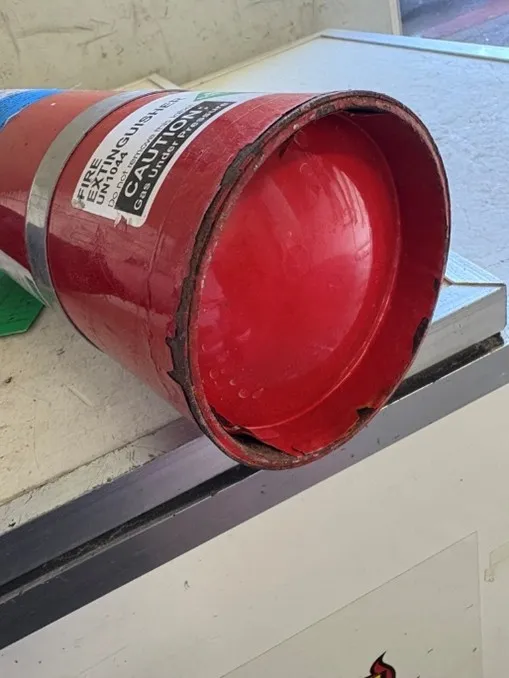
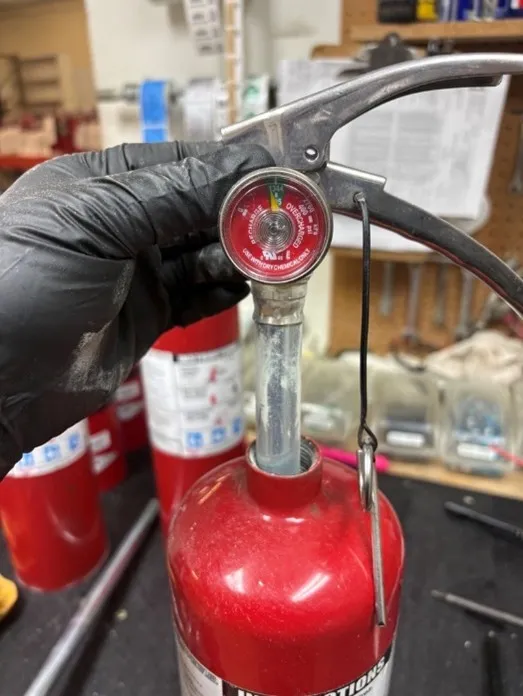
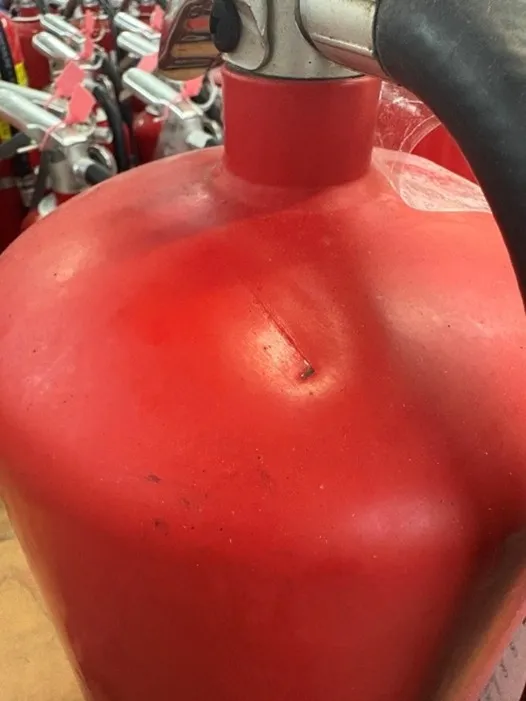
Each fire extinguisher service will include a tag for compliance punched in the month serviced (per code) and good for one year.
For home use, it is equally important to regularly have your device serviced to ensure it is properly working.
Contact Metro Safety & Fire, Inc today for fire extinguisher maintenance services, Monday - Friday 7:30am - 5:00pm. There is no appointment necessary and we can perform an annual inspection while you wait. Or we can set up a reoccurring annual inspection at your location for your commercial property.
Fires can rapidly spread, make safety the priority
A portable fire extinguisher is designed to extinguish or contain small fires until the fire department can arrive.
Use a portable fire extinguisher when:
- The fire is confined to a small area and not growing
- Everyone is out of the building
- The fire department has been or is being contacted
- The room is not filled with smoke
How to operate a fire extinguisher
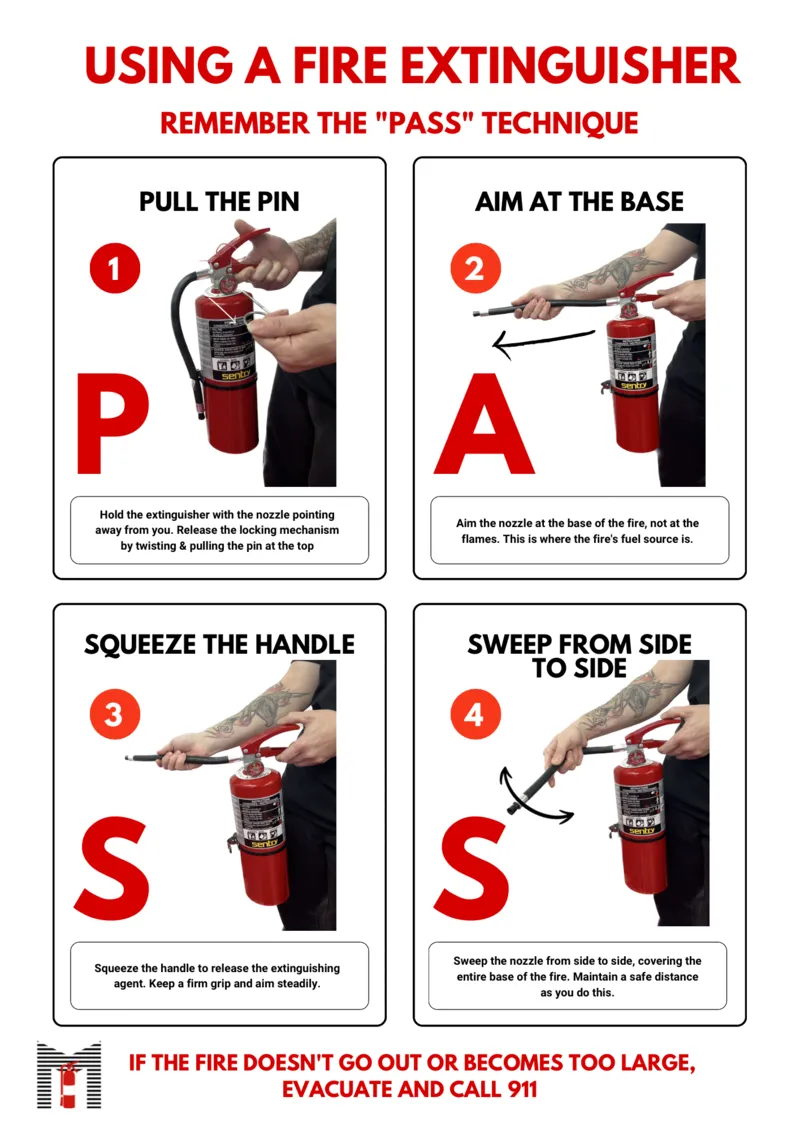
Learn the basics of the PASS method with Logan of Metro Safety & Fire
@thefireguyspdx
Learn the basics of the PASS method with Logan of Metro Safety & Fire. #fireextinguisher #pass #passmethod #fireextinguishersafety #firesafety #fire ♬ original sound - Metro Safety & Fire
Fire extinguishers are only one element of a fire response plan. According to 2024 NFPA-101 every business is also required to have a designated and posted means of egress. Private residents should have a home fire escape plan and working smoke alarms. For more safety tips see the NFPA’s suggestions with free printable fliers and additional educator resources.
For the home
- Choose a fire extinguisher designed for a variety of types of house fires. Consider a Class A:B:C that is large enough to put out a small fire, but not so heavy as to be difficult to manage.
- Be sure the fire extinguisher carries the label of an independent testing laboratory (UL Solutions).
- Read the instructions and become familiar with how to operate the fire extinguisher before there is a fire. Local fire departments or fire equipment distributors, like Metro Safety & Fire Inc., often offer hands-on fire extinguisher trainings.
- Install fire extinguishers close to an exit.
- Keep your back to a clear exit when you use the device so you can make an easy escape if the fire cannot be controlled.
- If the room fills with smoke, leave immediately.
- Know when to go. Fire extinguishers are one element of a fire response plan, but the primary element is safe escape. Every household should have a home fire escape plan and working smoke alarms.
Portable fire extinguishers and children
The National Fire Protection Association (NFPA) believes that children should not be trained in how to operate portable fire extinguishers. Teaching children to use portable fire extinguishers runs counter to NFPA messaging to get out and stay out if there is a fire. Furthermore, children may not have the maturity to operate a portable fire extinguisher properly or decide whether a fire is small enough to be put out by the extinguisher. They may not have the physical ability to manage the extinguisher or dexterity to perform the complex actions required to put out a fire. In the process of extinguishing flames, children may not know how to respond if the fire spreads. NFPA continues to believe that only adults who know how to operate portable fire extinguishers should use them.
Burn awareness Information – Kid friendly
Simple safety tips, fun interactive color sheets, and Sparky the Fire Dog bringing awareness to hazards to help prevent burns and keep everyone safe.
For more home safety information