
- Published
- Author
- Name
- @thefireguyspdx
 Photo Credit: Ashim D'Silva
Private Fire Hydrants
This unassuming figure placed throughout our city whose job it is to always be prepared to assist, continuously on call.
Fire hydrants are a familiar sight, but their true value is often underestimated until an emergency strikes. A properly maintained and fully functional fire hydrant can mean the difference between a minor incident and catastrophic loss.
Fire hydrants serve as critical access points for firefighters to quickly connect hoses and access the local water supply. They are the backbone of exterior fire suppression for both public and private properties. Even with advanced internal fire protection systems such as alarms, sprinklers, and initiating/notification devices, a functional hydrant is essential for full-scale fire suppression and containment.
If you are in the unique position of having a private hydrant on your property, then this information is for you.
So, what is a private fire hydrant?
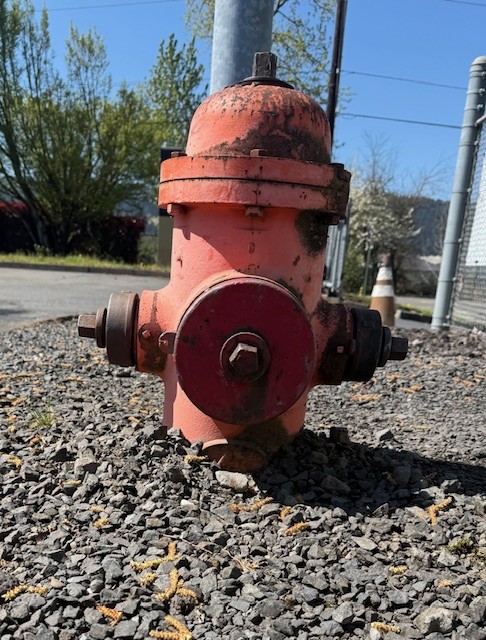
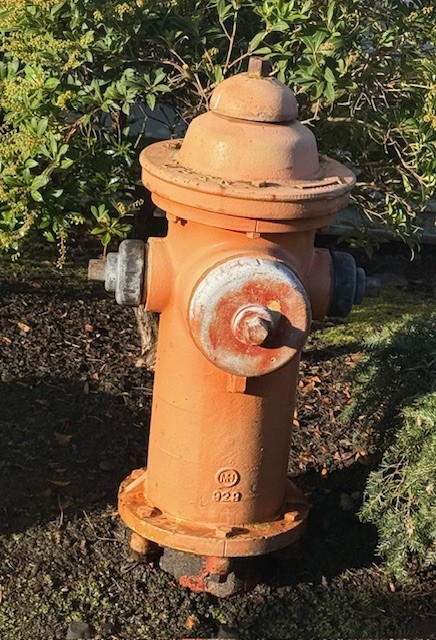
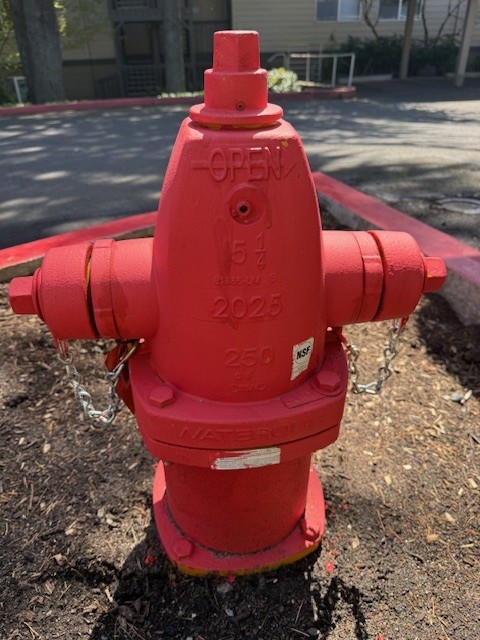
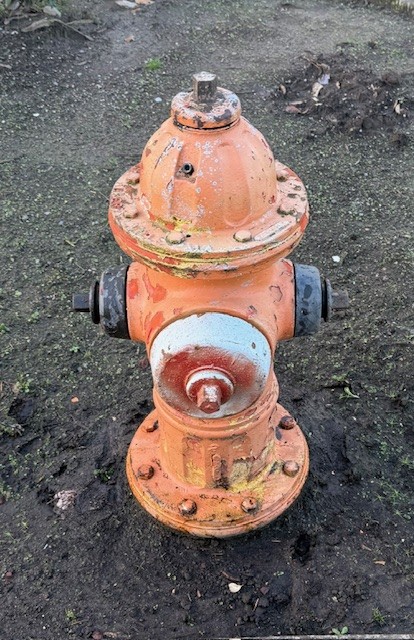
Any hydrant on private property rather than city owned property is considered a private hydrant. It is a valved connection to a water main to supply water to fire protection equipment, such as a fire hose, during a fire emergency.
A fire hydrant on private property is required by the International Fire Code when the distance between a structure and the nearest public fire hydrant is too far for emergency personnel to reach to extinguish a fire.
Who would have a private fire hydrant?
A private property with a structure or building more than 400 feet from the public fire hydrant, which must be measured by an approved fire code official.
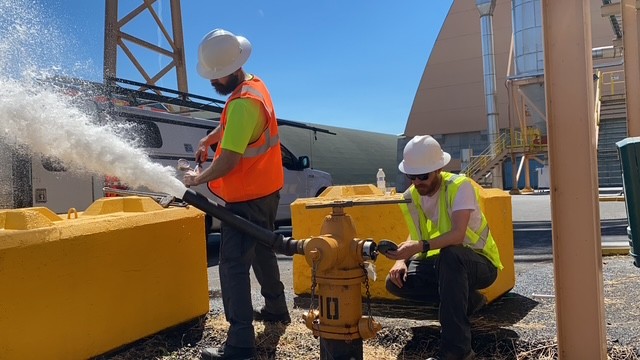
A Key Component of Your Fire Protection Plan
Private fire hydrants are vital for properties that require their own dedicated fire protection systems. These hydrants provide on-site water access for fire departments, ensuring faster response times during emergencies.
Here's what you need to know about owning and maintaining private fire hydrants.
Who is responsible for fire hydrants on private property?
A fire hydrant on private property is the responsibility of the property owner. It is the property owner's liability to comply with the private fire hydrant requirements including inspecting, testing, and maintaining the hydrant. Having a fire hydrant on private property ensures water supply is available in a fire emergency.
Per NFPA 25 you are required to inspect your private fire hydrants annually
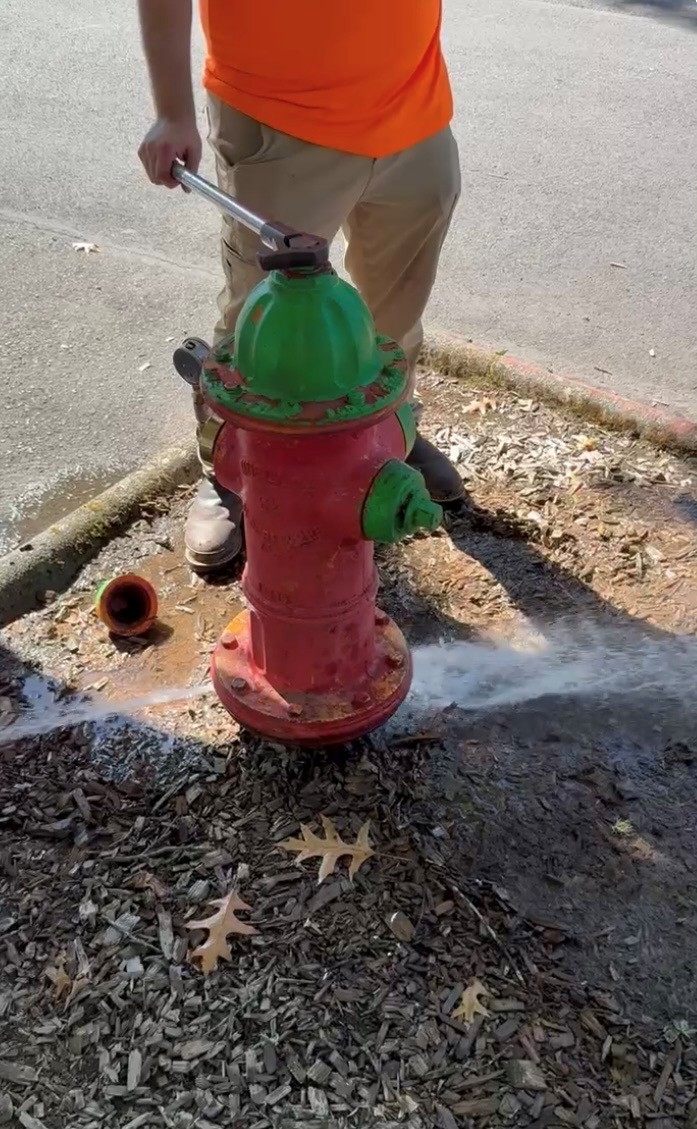
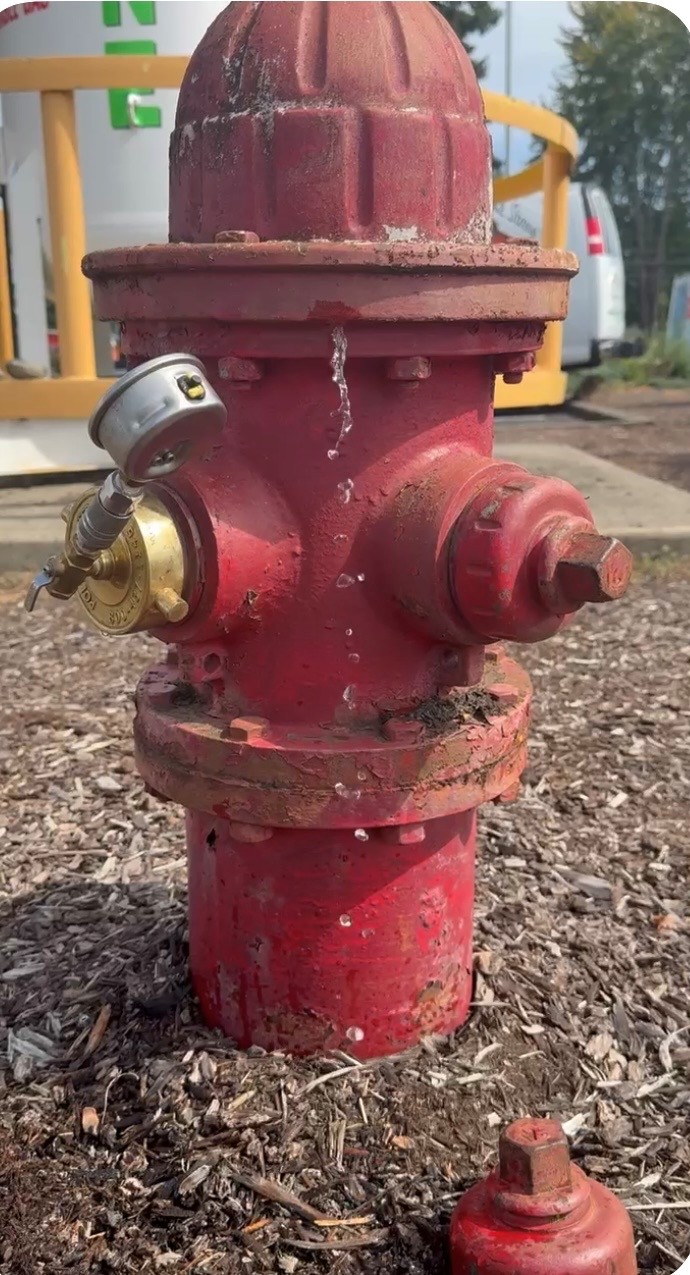
What does an annual fire hydrant inspection consist of
- Opened fully and water flowed until all foreign material has cleared
- Flow shall be maintained for not less than 1 minute
- Full drainage shall take no longer than 60 minutes
- They shall be lubricated annually to ensure that all stems, caps, plugs, and threads are in proper operating condition
- They shall be kept free of snow, ice and other materials to protect against damage at all times
- Every 5 years the underground main piping shall be flow tested
- Inspections must be done by qualified professionals, with reports submitted to the AHJ/appropriate Compliance Engine for your area.
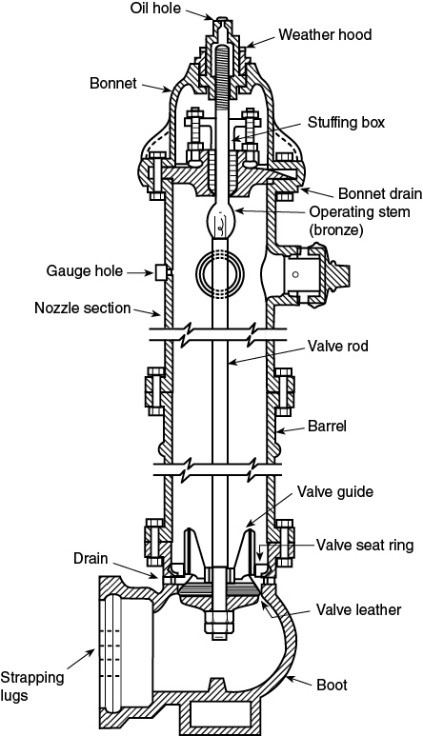
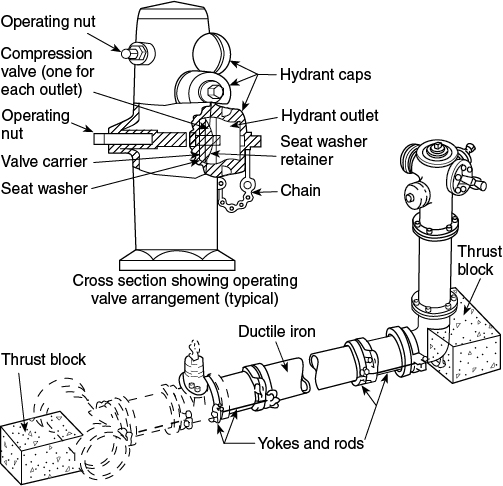
What is included in a hydrant inspection report?
A comprehensive report includes:
- Visual inspection findings
- Flow and pressure test results
- Notes on deficiencies or repairs needed
- Compliance status and recommendations
- Simplifies planning and budgeting
- Ensures compliance before deadlines
- Takes advantage of ideal weather conditions
The Hidden Dangers of Neglected Fire Hydrants
Many property managers mistakenly assume that if a hydrant looks fine on the outside, it's ready for use. However, some of the most serious issues are invisible without professional testing:
- Internal corrosion can restrict water flow or cause sudden failure
- Valve seizure from years of inactivity can render a hydrant useless
- Sediment or debris can block water mains, reducing pressure or flow
- Worn gaskets or missing parts can cause leaks or operational failure
- Poor drainage can lead to freezing, cracking, and internal damage
- Obstructed access from landscaping, fencing, or parked vehicles can delay emergency response


Demonstrate a Culture of Safety
For property owners, managers, and facility teams, reviewing life safety practices should be at the top of the list. Yet, one of the most crucial—and often overlooked—elements of any fire protection strategy is the humble fire hydrant.
Understanding who is responsible for fire hydrants on private property and knowing the requirements to remain compliant is the best way to reduce risk of fire damage and keep occupants safe. It is critical that fire protection systems, including fire hydrants, receive the proper care to function as designed and comply with the private fire hydrant requirements to maximize the system integrity ensuring rapid and effective operation for a fire emergency.
As you set your safety goals for the year, make your private fire hydrant inspection a non-negotiable part of your property maintenance plan.
Ready to Schedule or Have Questions?
Contact Metro Safety & Fire, Inc. for expert fire hydrant inspection, testing, and compliance support. Our team is here to help you.
Notable Links
NFPA 25 Standard for the Inspection, Testing, and Maintenance of Water-Based Fire Protection Systems
- Annex D - Recommended Practice for Marking of Hydrants
This annex is not a part of the requirements of this NFPA document but is included for informational purposes only.
NFPA 291 Recommended Practice for Water Flow Testing and Marking of Hydrants
- 5.2.5 Private Hydrants - 5.2.5.7
NFPA 24 Standard for the Installation of Private Fire Service Mains and Their Appurtenances